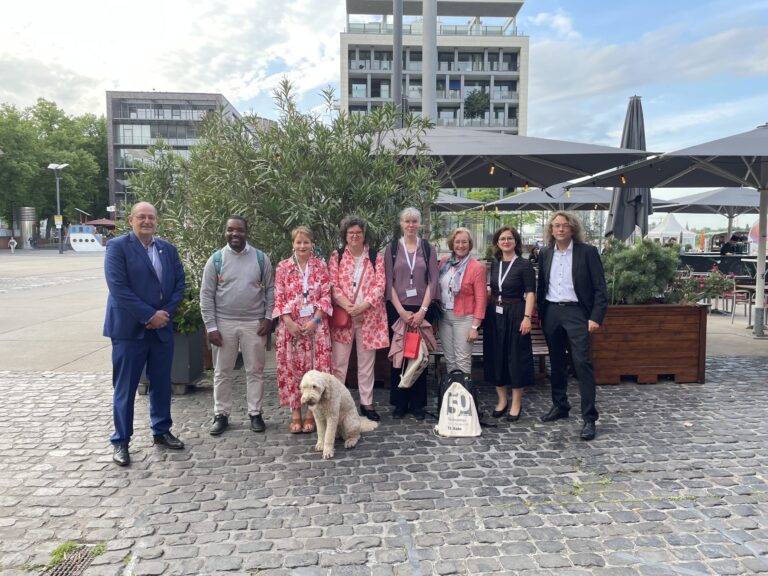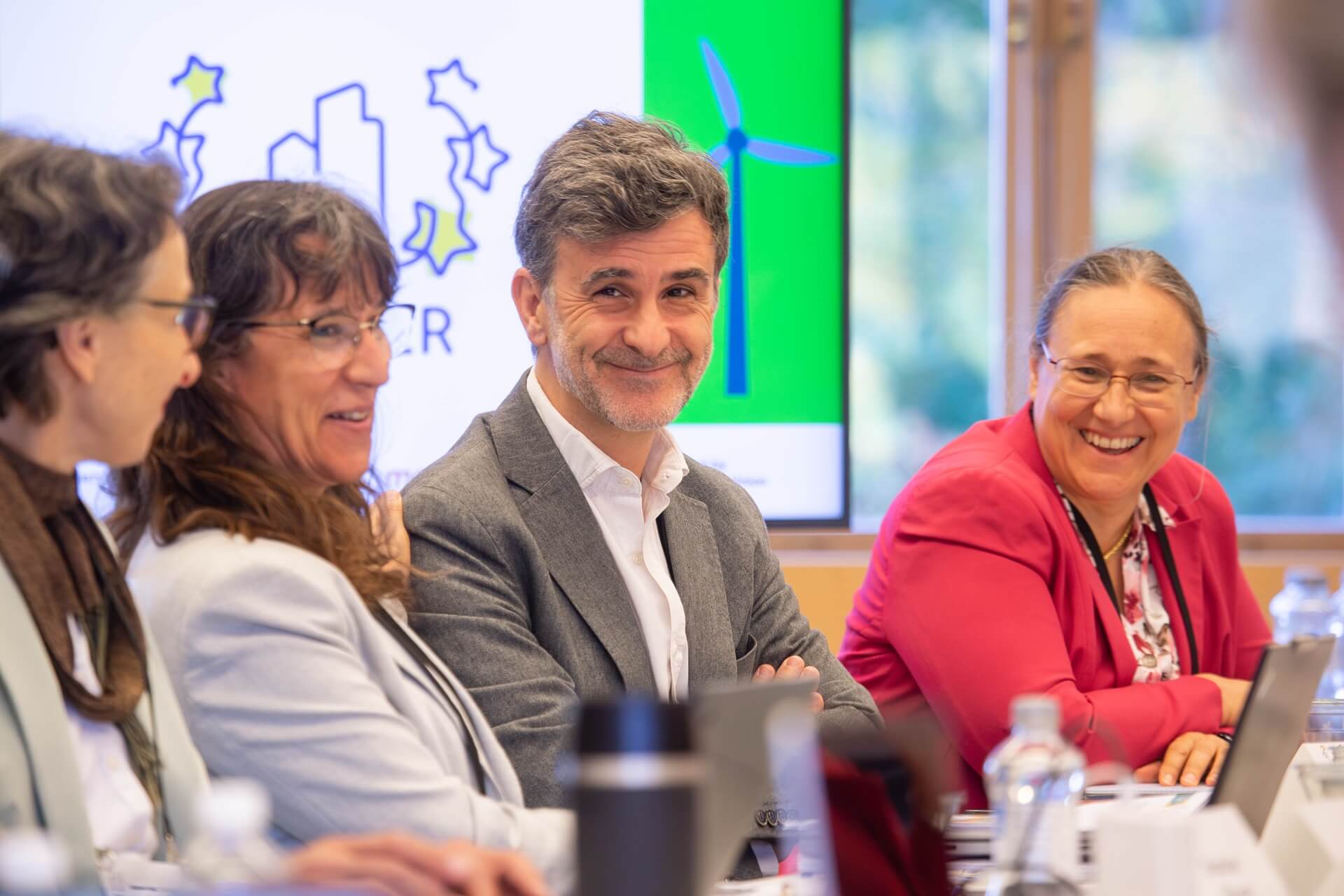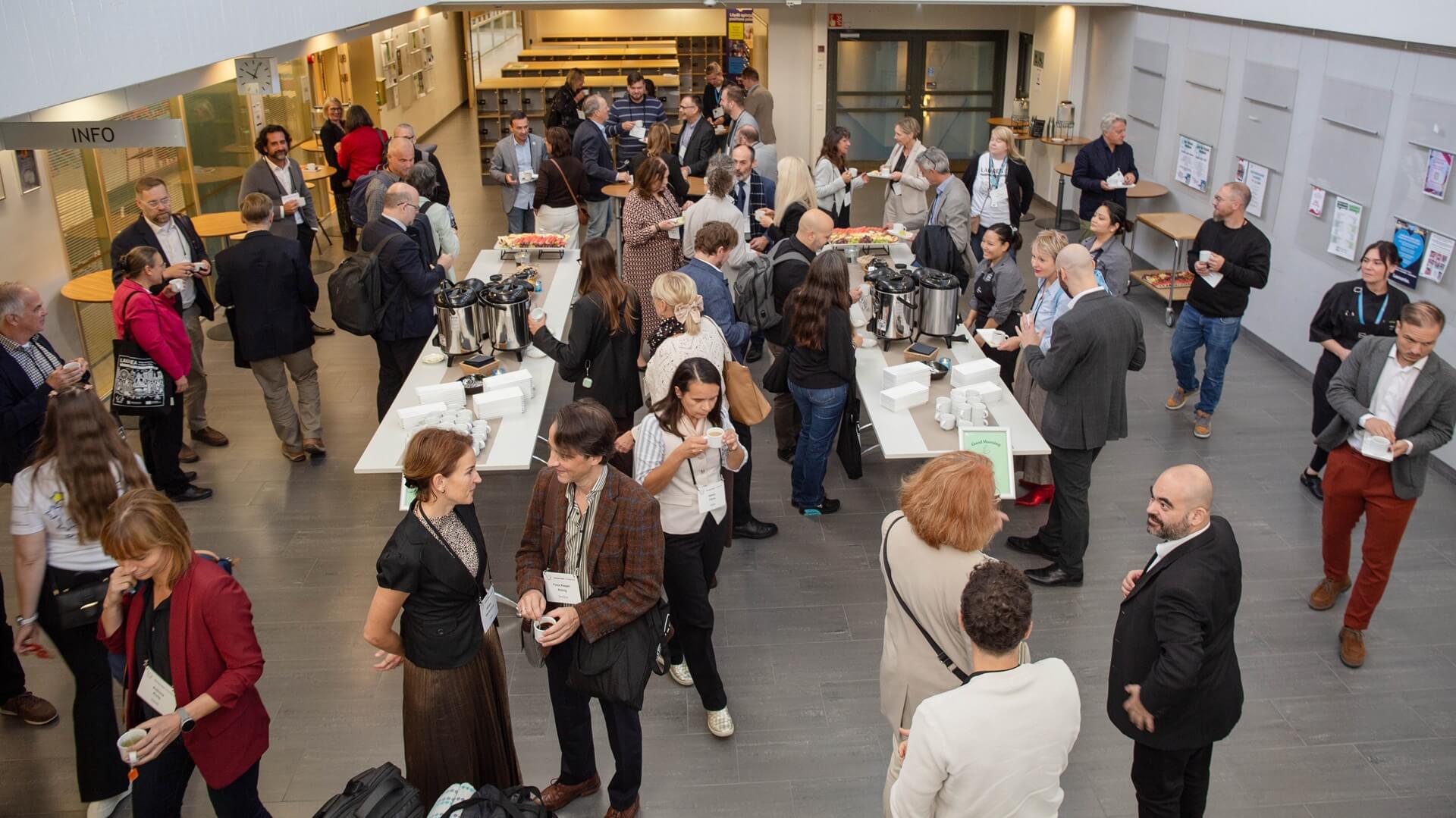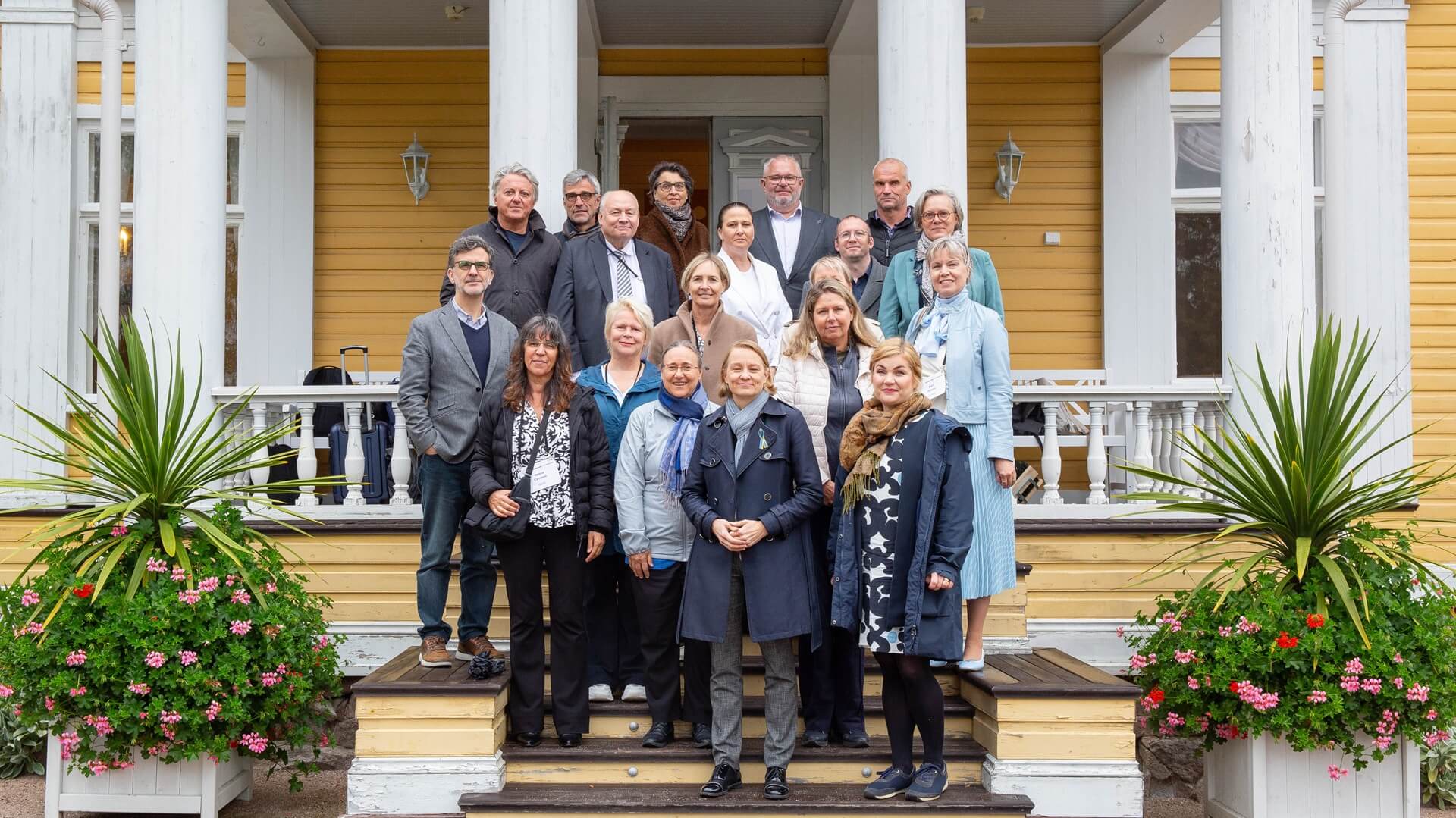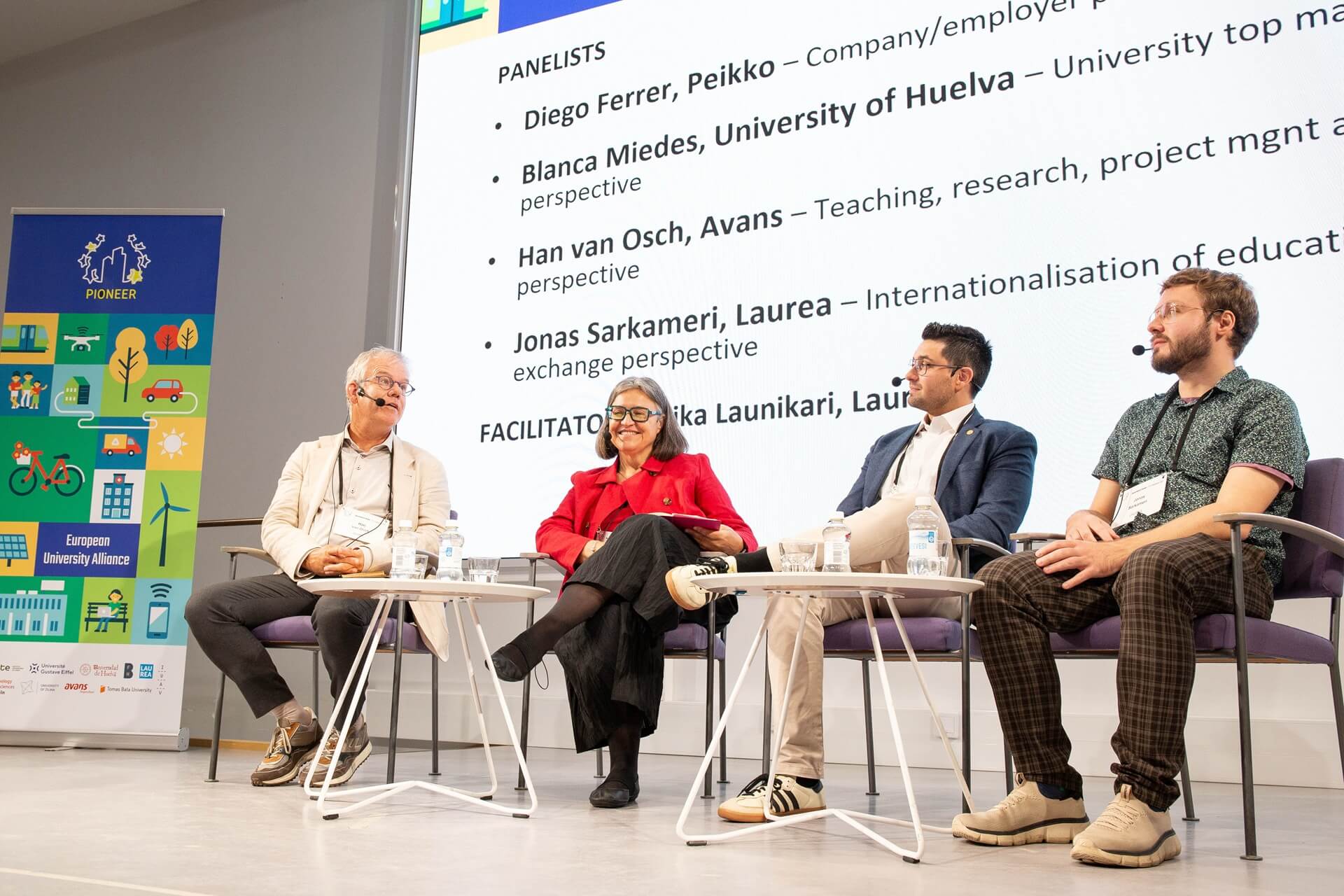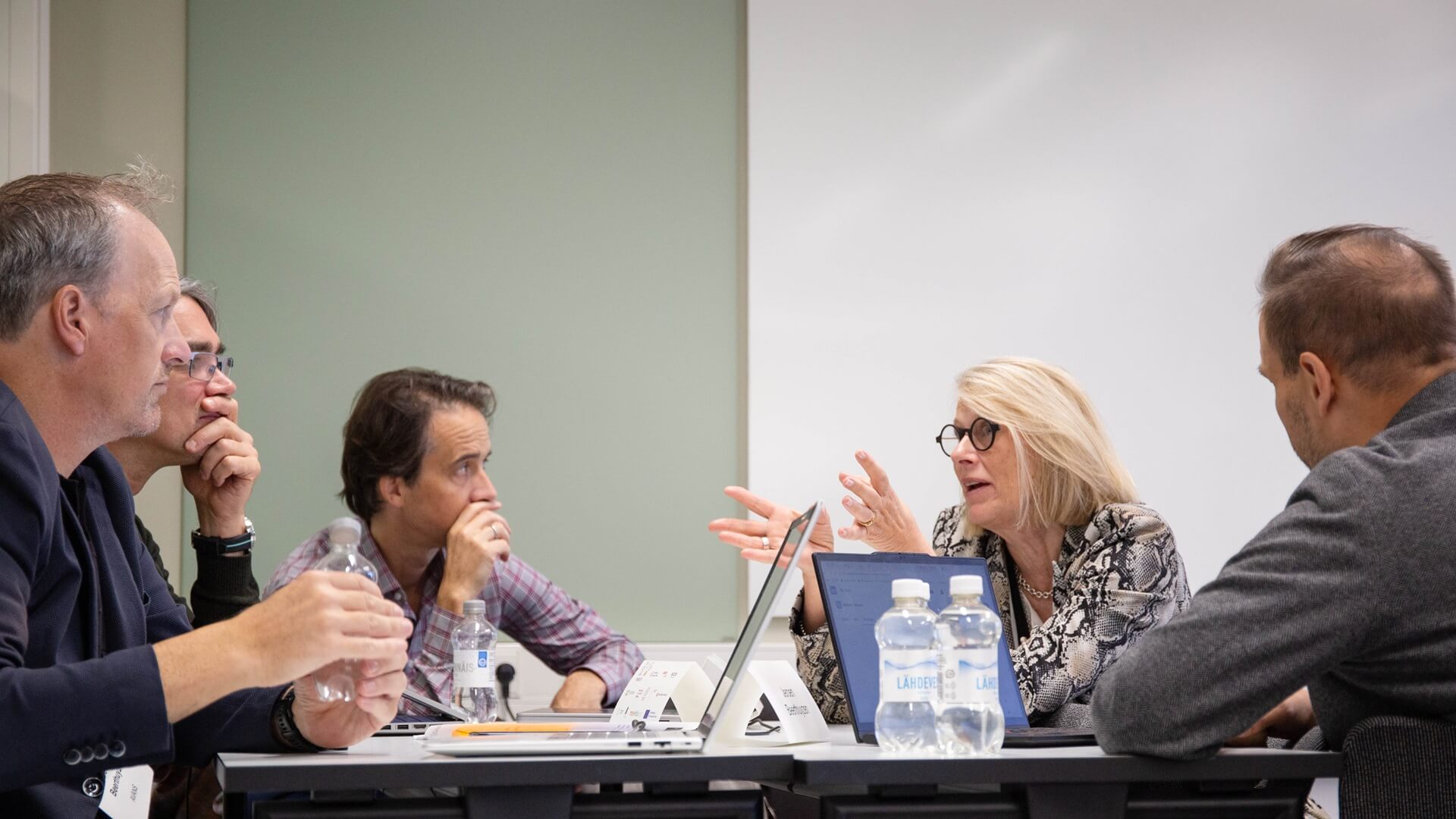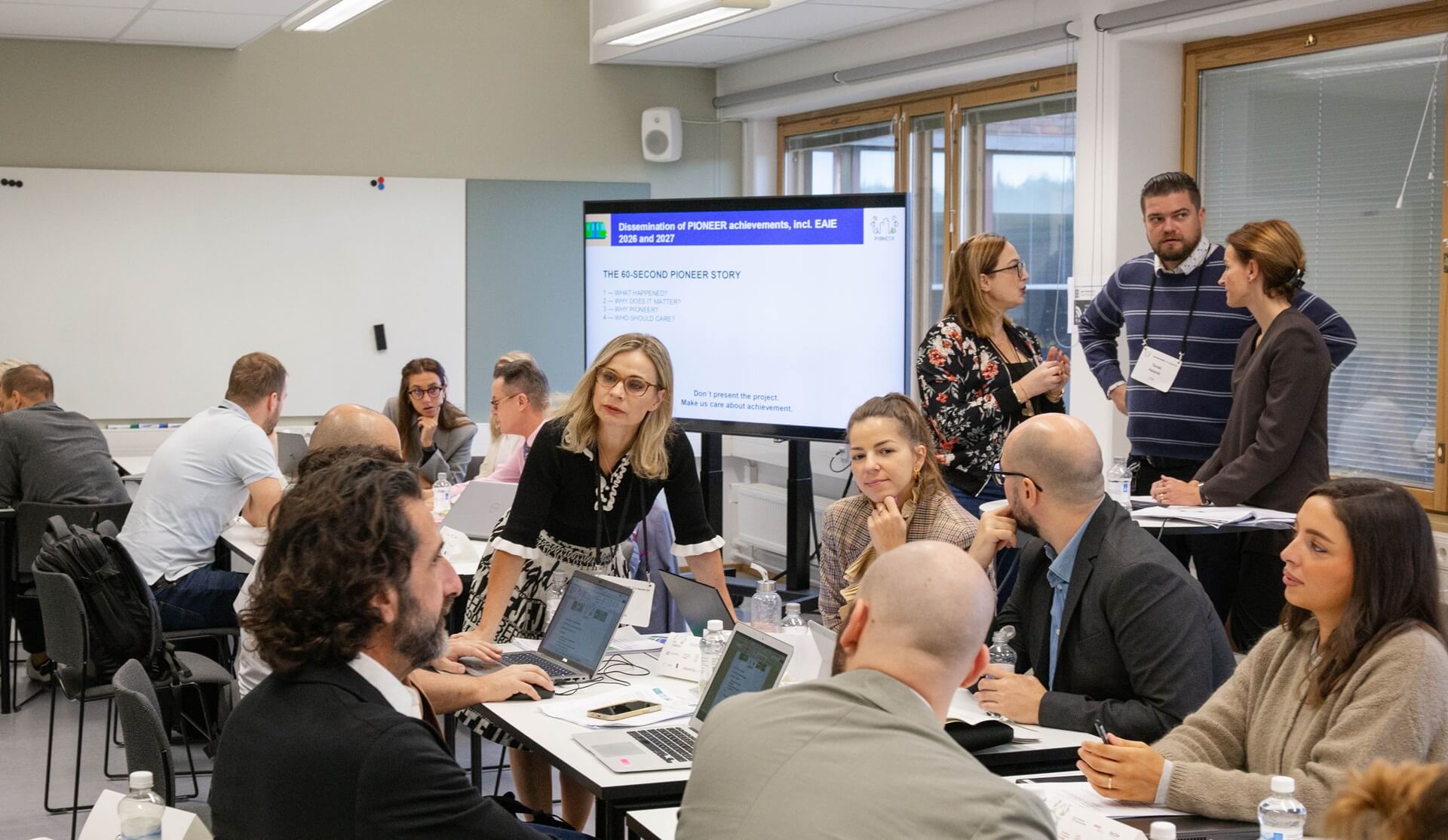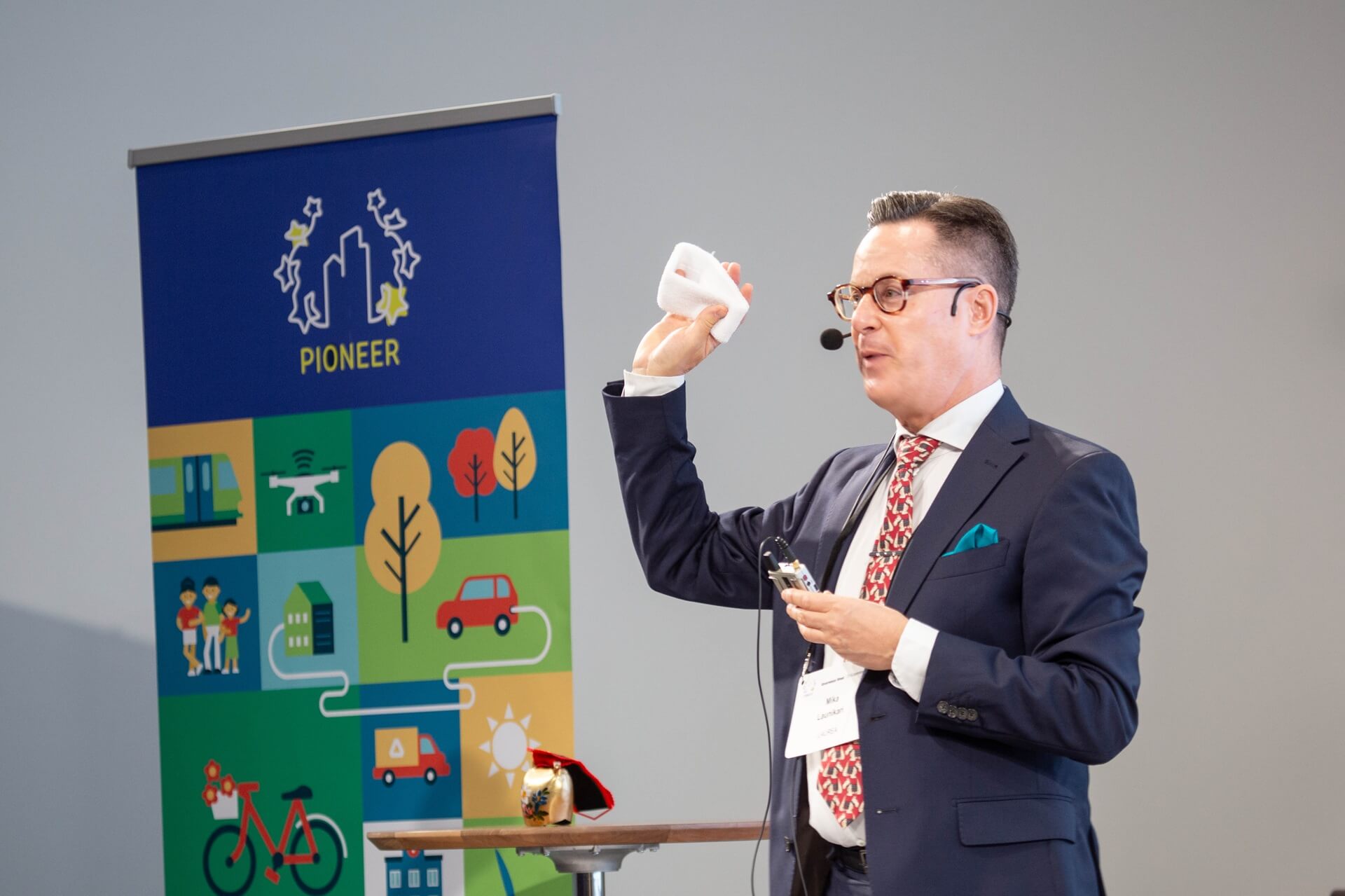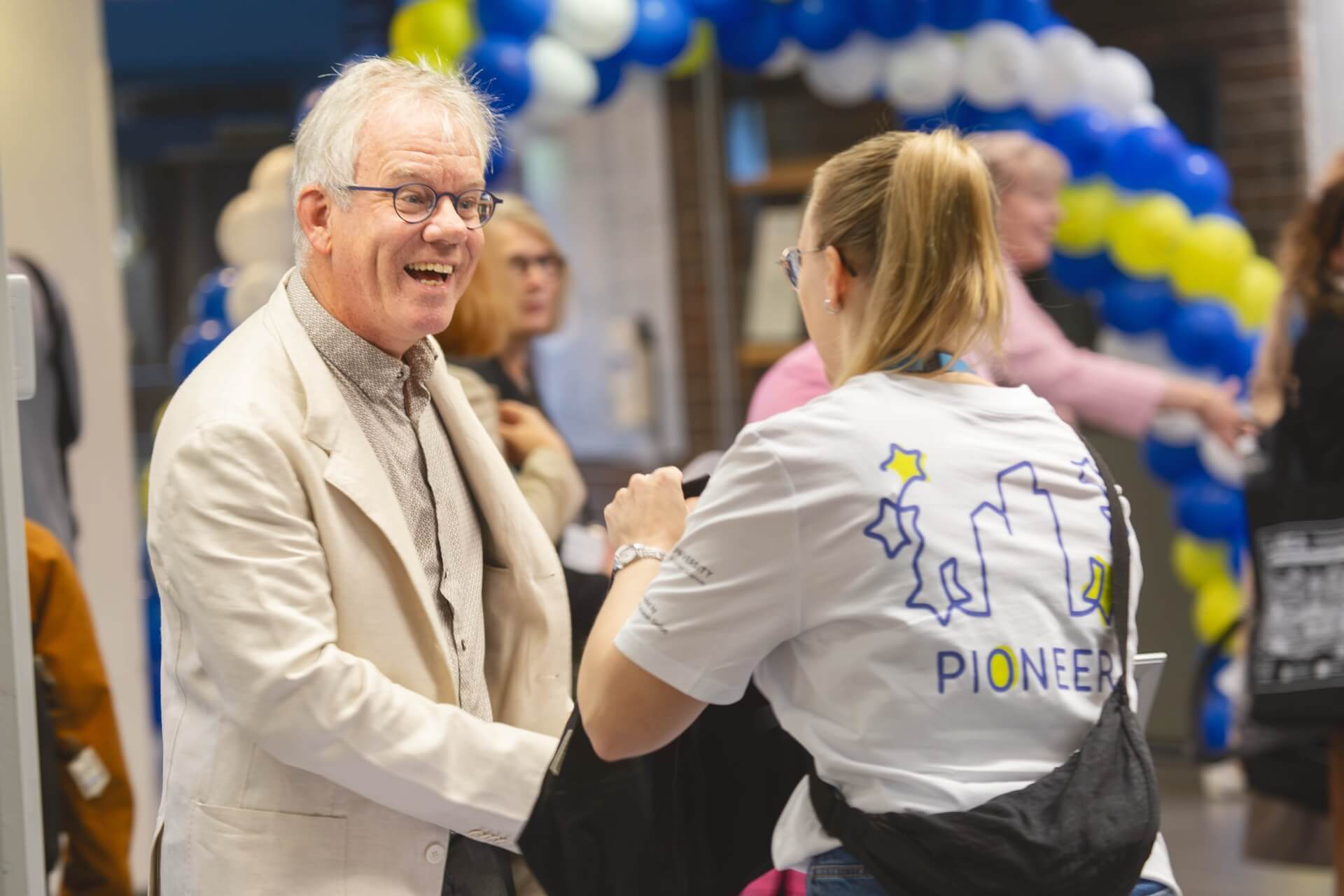
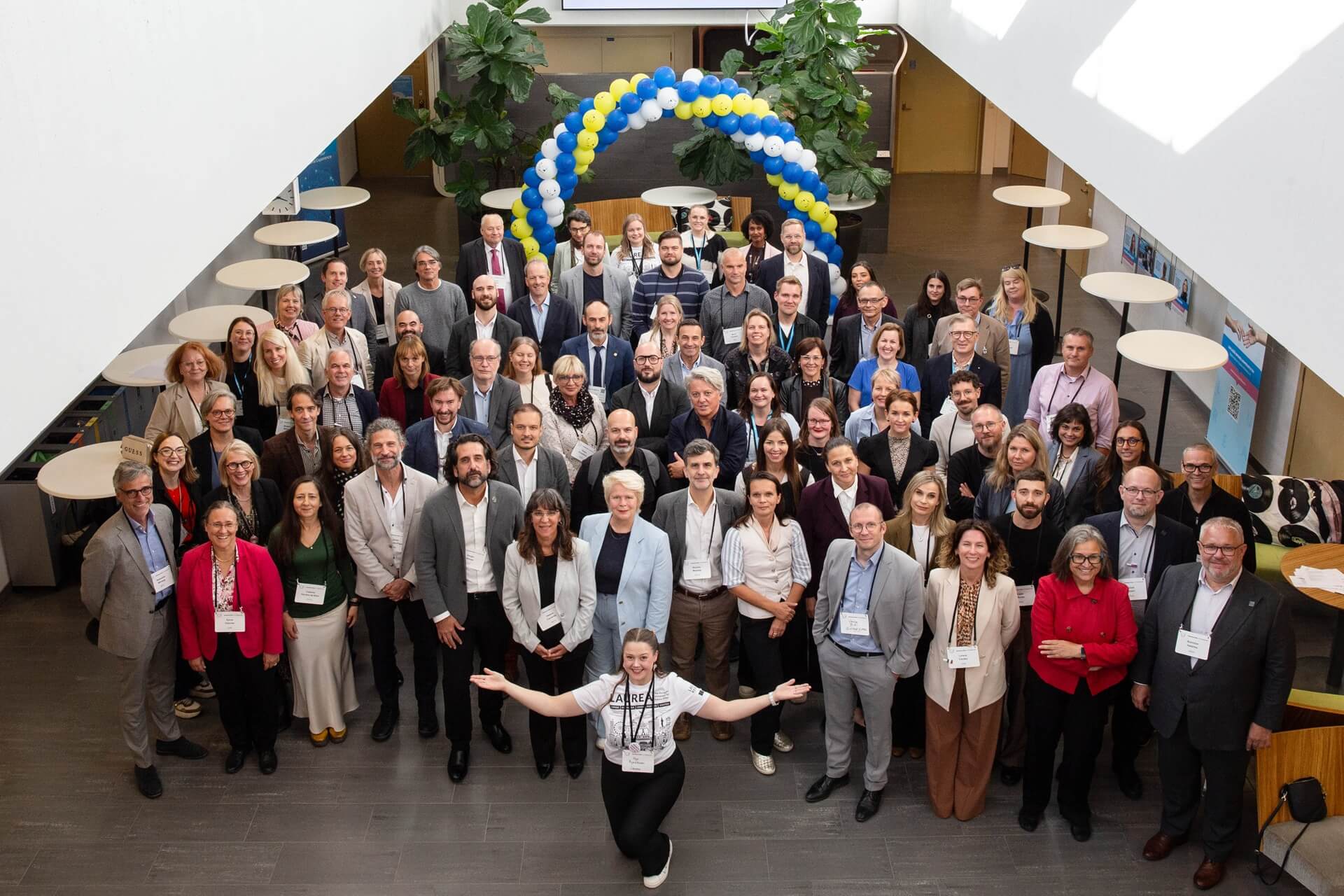
The PIONEER Alliance Governance Week brought together Governing Board and Steering Committee members, coordinators, and work package leaders from ten European higher education institutions at Laurea University of Applied Sciences’ Leppävaara Campus in Espoo, Finland. As the Alliance Chair institution for 2026, Laurea hosted the event, which focused on the strategic development of the Alliance, future priorities, and ways to strengthen the impact of European higher education cooperation.
The three-day meeting provided an opportunity to assess progress, align strategic objectives and translate the Alliance’s shared vision into concrete priorities for the next phase of cooperation.
Shaping the Future of European Higher Education
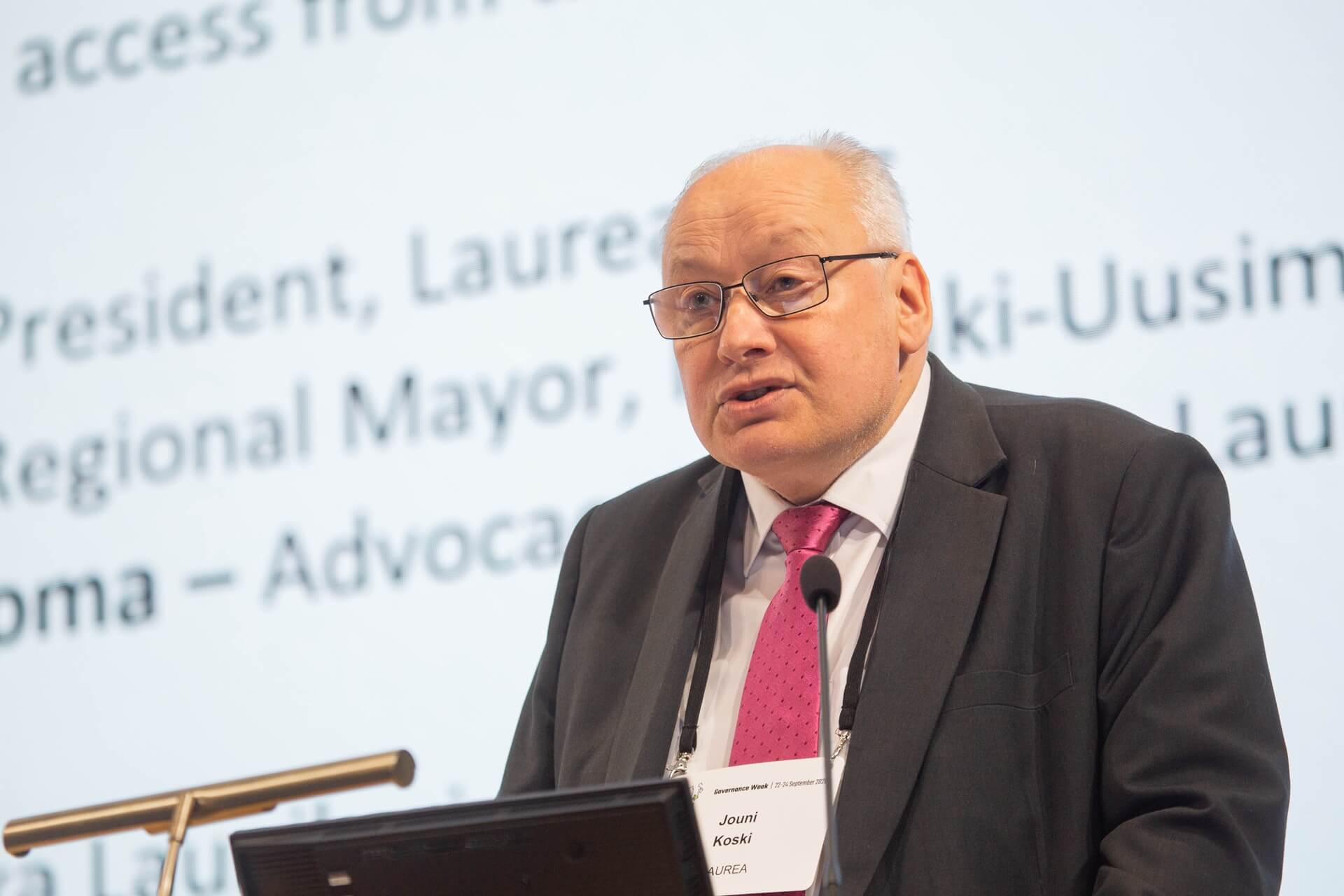
In his opening remarks, Jouni Koski, President and CEO of Laurea University of Applied Sciences, highlighted that a truly European university can only emerge when students, staff, knowledge, and ideas move seamlessly across borders. He emphasised that the Alliance is jointly shaping the future of European higher education while creating the conditions for impactful solutions that will benefit future generations of students, researchers, and educators. “The universities of the future will not merely respond to change; they will help shape it. Ultimately, the impact of the alliance will be measured by how effectively its solutions transform European higher education institutions and their ways of working. Measuring student numbers, mobility figures, projects, or publications alone is not enough. What truly matters is whether our activities create meaningful change in people’s lives, society, and Europe’s competitiveness.”
Students’ perspectives were also central to the opening. Sanni Koivuluoma, representing Laureamko, Laurea’s student union, emphasised that European cooperation must translate into tangible opportunities for students, from their everyday study experiences to their future careers.
She highlighted the importance of genuine student involvement, equality and diversity, underlining that students should be active contributors to the development of the Alliance and its activities.
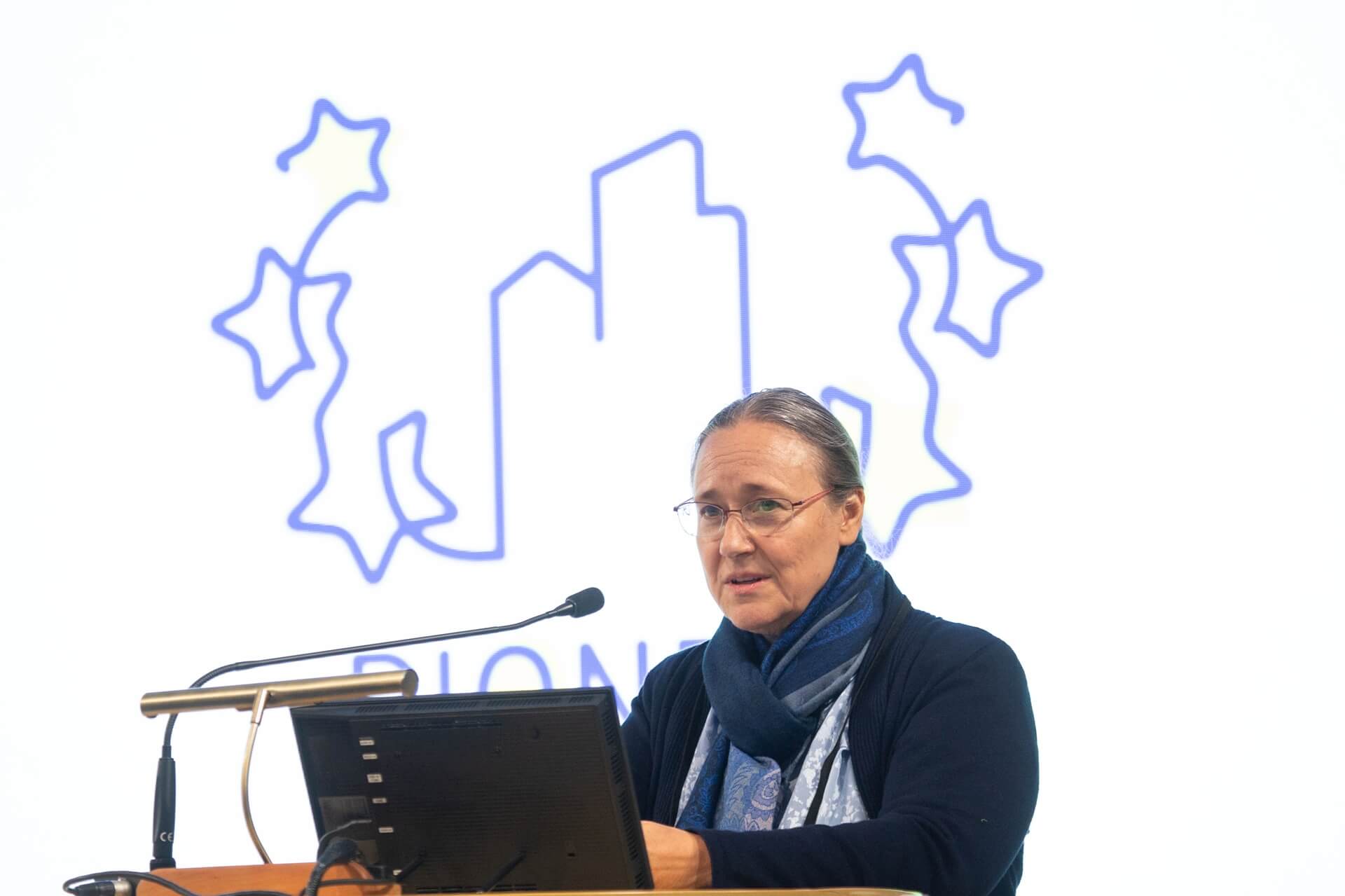
The regional dimension of European cooperation was highlighted by Tuija Telén, Regional Director of Uusimaa, who emphasised the role of education, research and innovation ecosystems, long-standing partnerships and practical implementation in building sustainable and innovative regions.
Together, these perspectives reinforced a shared ambition: to build European cooperation that connects institutions with students, regions and society, and turns common goals into lasting value.
Open Campus 2030 and Digital Interoperability at the Centre of Discussions
Throughout the week, participants reaffirmed a shared ambition to build a more open, accessible, and impactful European higher education community. The Open Campus 2030 vision featured prominently in discussions, exploring how students, staff, regional stakeholders, and external partners can become more closely engaged in European collaboration.
Open Campus is viewed as a key enabler for deepening cooperation while strengthening the connection between learning, research, and innovation. The ambition is to make European cooperation increasingly tangible through connected learning opportunities, mobility, shared services and stronger links between higher education institutions and their surrounding ecosystems.
The Alliance also reviewed its achievements to date and discussed future priorities. Conversations focused on how common goals can be advanced through education, research, and innovation activities. Particular attention was given to challenge-based learning, research impact, and collaboration between higher education institutions and their surrounding ecosystems.
Digital interoperability was another central theme. Alliance experts assessed current institutional practices and developed a shared roadmap to support data exchange, student and staff mobility, and the development of digital services.
Workshops identified common approaches to student and academic data management and agreed on next steps towards building a shared data foundation and ensuring the long-term development of cooperation. The objective is to create increasingly seamless operating models across the entire Alliance, making collaboration more accessible and effective for students and staff.
Strengthening Impact and a Shared European Voice
The week also addressed the visibility, communication, and dissemination of Alliance achievements. Discussions underscored the importance of communicating the value of European university alliances and strengthening the shared identity and recognition of PIONEER.
Participants further highlighted the role of thought leadership in the Alliance’s future development. PIONEER aims to strengthen its position as a contributor to and shaper of discussions on the future of European higher education, while ensuring that its collective achievements are visible to wider audiences.
By connecting institutional experience, research expertise and regional partnerships, PIONEER seeks to contribute to broader European discussions on how higher education can respond to societal challenges, support innovation and strengthen Europe’s competitiveness.
The Alliance has already established a solid foundation for its future growth. Key accomplishments include the development of a mobility and internationalisation strategy, the launch of pilot initiatives supporting staff development, the preparation of a research strategy, and progress in designing joint educational programmes and a long-term strategic framework.
Governance Week provided an opportunity to connect these achievements with the Alliance’s next priorities, reinforcing the importance of coordinated action across its work packages and participating institutions.
From Shared Priorities to Lasting Impact
Governance Week further reinforced the Alliance’s shared vision that the European universities of the future will be built on close cooperation, open operating models, and the strong integration of education, research, and innovation.
The Alliance continues to follow developments in European higher education policy and the work of the European Commission. It also seeks to contribute actively to discussions surrounding the priorities and funding frameworks for the 2028–2034 programming period.
The discussions and workshops strengthened the Alliance’s shared direction, providing a basis for clearer objectives, stronger collaboration, and increasingly aligned operating models across the ten participating institutions.
The next phase of PIONEER is about turning this shared direction into action: developing joint activities, connecting expertise across borders and creating opportunities that benefit students, researchers, higher education institutions and their surrounding regions.
The next PIONEER Alliance governance and development forum will be hosted by TH Köln in spring 2027.
Author: Ilpo Vuorivirta/Laurea