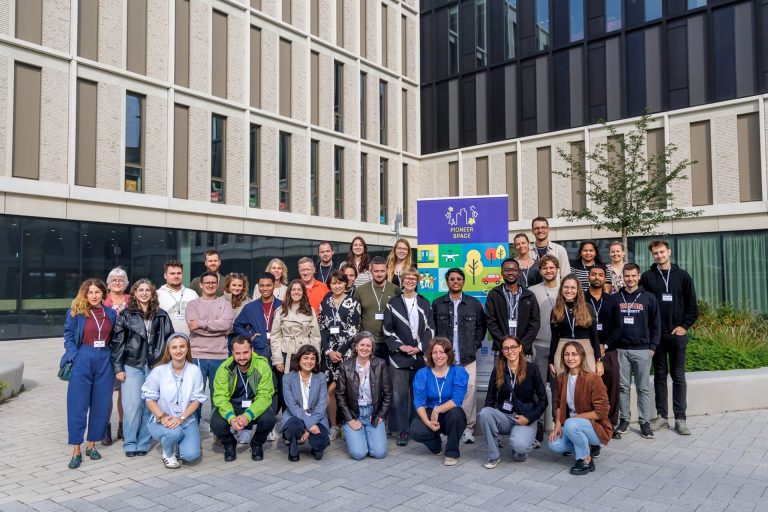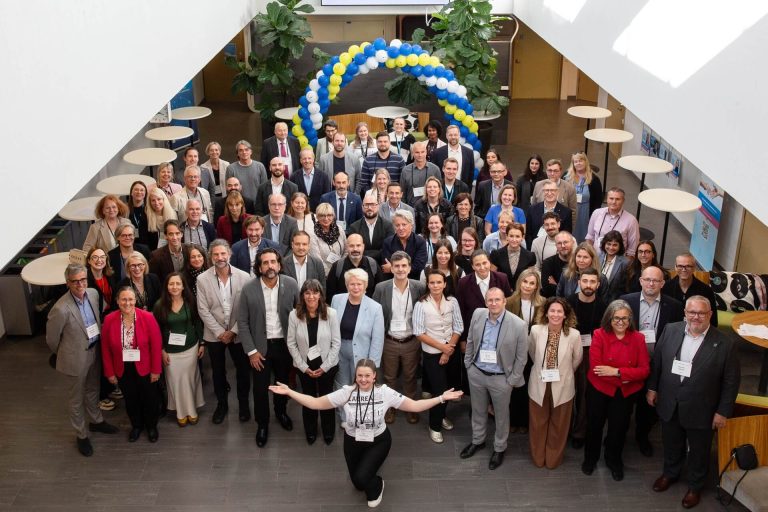
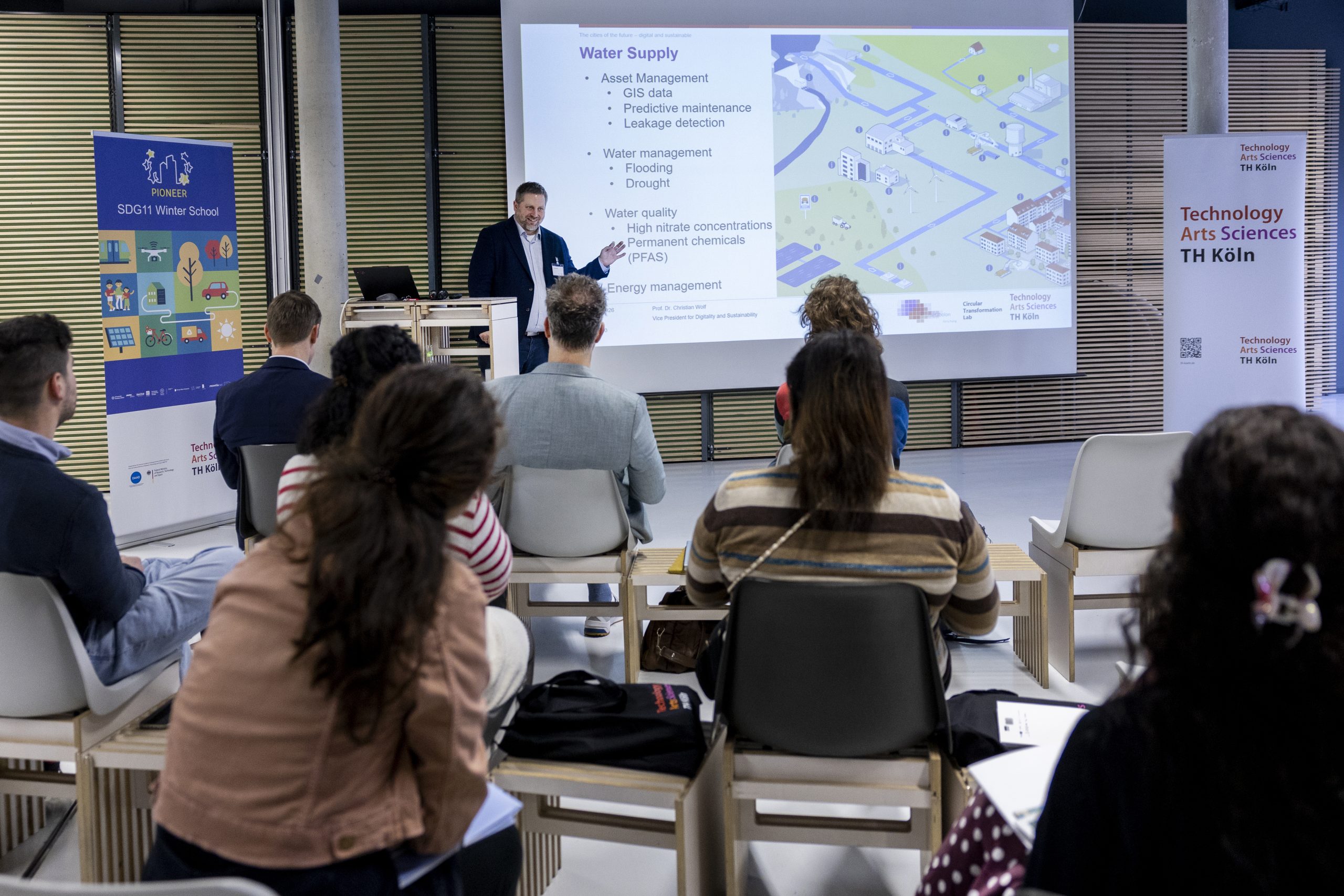
The first ever held PIONEER SDG11 Winter School at TH Köln brought together 20 early career researchers from seven PIONEER partner universities to explore solutions for safe, resilient and sustainable cities. The event aimed to foster scientific exchange and offered a rich program of keynote speeches, paper presentations, site visits, and a practical workshop on science communication. Participants gained insights into urban resilience, sustainable mobility, smart cities, and civic engagement, contributing to the field of urban development.
“Making cities and regions inclusive, safe, resilient and sustainable is easier said than done. It takes ideas, creativity, efforts and a lot of persistence to make a change. Moreover, it takes a network of people to interact, discuss, develop solutions and finally drive change. In this spirit, the PIONEER SDG11 Winter School provides a platform that connects young and aspiring researchers from the PIONEER partner universities among themselves as well as with the ecosystems they are cooperating”, says Prof. Dr. Eike Permin from TH Köln, who organized the Winter School together with Dr. Carlo Federico dall’Omo from Università IUAV di Venezia.
The opening day featured welcoming addresses by Dr. Uwe Korch from the City of Cologne and Eike Permin, who set the tone for a collaborative and inspiring week ahead. Over the next days, renowned experts delivered keynotes that covered diverse aspects of sustainable urbanization: Prof. Dr. Christian Wolf, Vice President for Digitality and Sustainability at TH Köln, explained how climate change impacts such as heavy rainfall and droughts are challenging the city of Cologne and how the University of Applied Sciences is developing solutions for these problems in real-world laboratories. Prof. Dr. Sebastian Olma emphasized the importance of art and culture in strengthening urban resilience across Europe. TH Köln’s Prof. Dr. Valerie Varney provided deep perspectives on knowledge transfer beyond traditional academic practices.
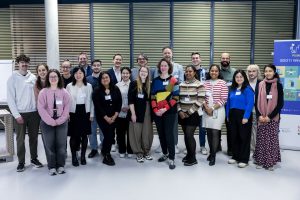 Image: Michael Bause/TH Köln
Paper presentations on a wide range of scientific topics
The program included extensive paper presentations by young researchers focusing on practical and innovative topics. Among these were presentations on AI-based drought forecasting in Madagascar, the transformation of municipal biowaste into functional carbon materials, gamification in vocational training for sustainability and how to design and prototype an intelligent IoT-enabled parking system. These contributions demonstrated the diverse scientific approaches and methodologies aimed at achieving inclusive, resilient, and environmentally friendly urban environments.
 Image: Michael Bause/TH Köln
Site visits at :metabolon Institute and Electric Bus Terminal
Midweek, participants visited the :metabolon Institute, a modern waste management center, focusing on innovation, research and education. At the site Dr. Himanshu guided them through waste recovery and circular economy initiatives, demonstrating practical implementations of urban metabolism. The group also toured the Electric Bus Terminal of the City of Cologne, gaining first-hand experience with sustainable urban mobility solutions designed to reduce emissions and improve city transport efficiency.
The Winter School concluded with a hands-on workshop on Science Communication, enabling participants to enhance their skills in sharing complex scientific knowledge effectively with diverse audiences on different channels like LinkedIn.
“Overall, the PIONEER SDG11 Winter School successfully created a platform for early career researchers to deepen their understanding of sustainable urban development, exchange ideas, and build networks essential for the future of sustainable cities. The event is a vital step in supporting the PIONEER Alliance’s mission to advance knowledge and innovation regarding the UN’s SDG11”, concluded Carlo Federico dall’Omo.
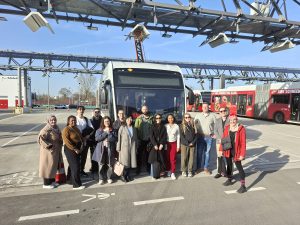
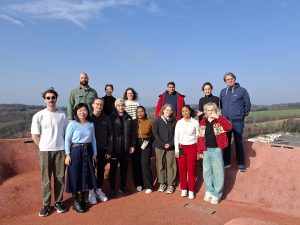
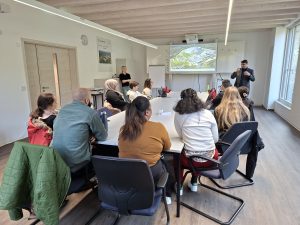
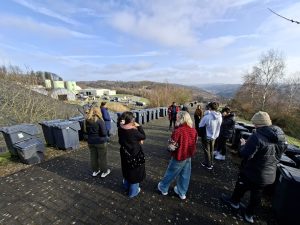
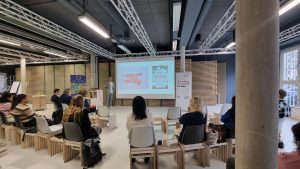
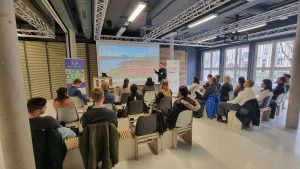
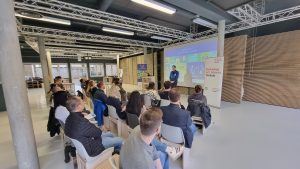
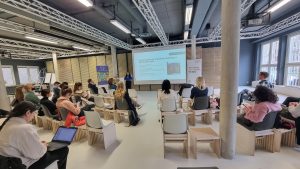
Image: Ture Petersenn/TH Köln
Author: TH Köln