What if leadership is not about having all the answers? What if complex societal challenges require people who can bring together different perspectives, engage in difficult conversations, and create space for shared responsibility?
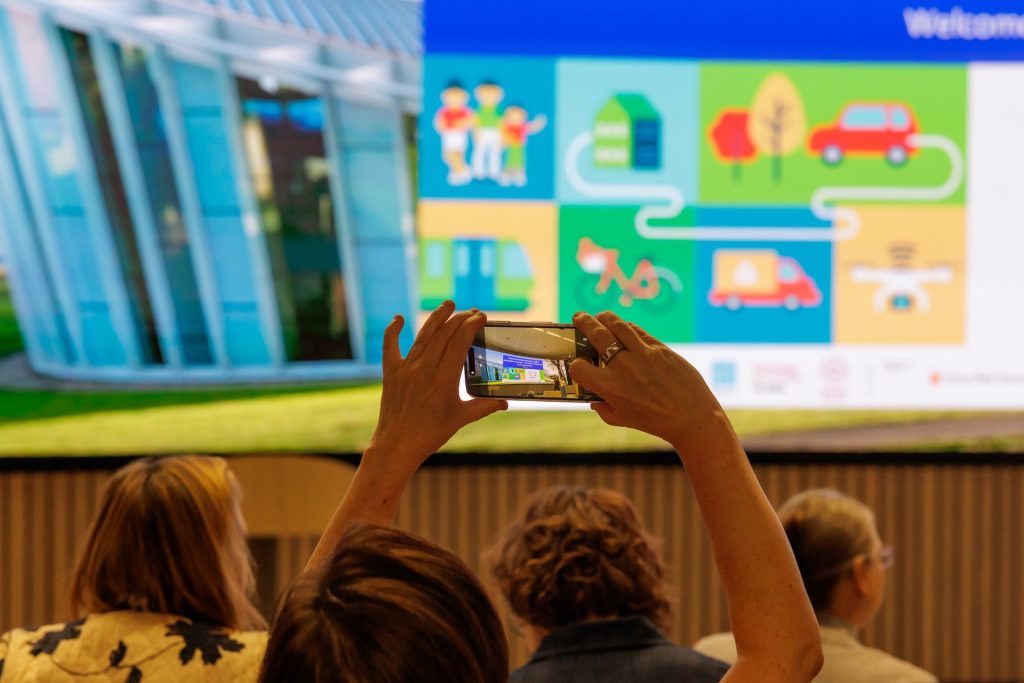
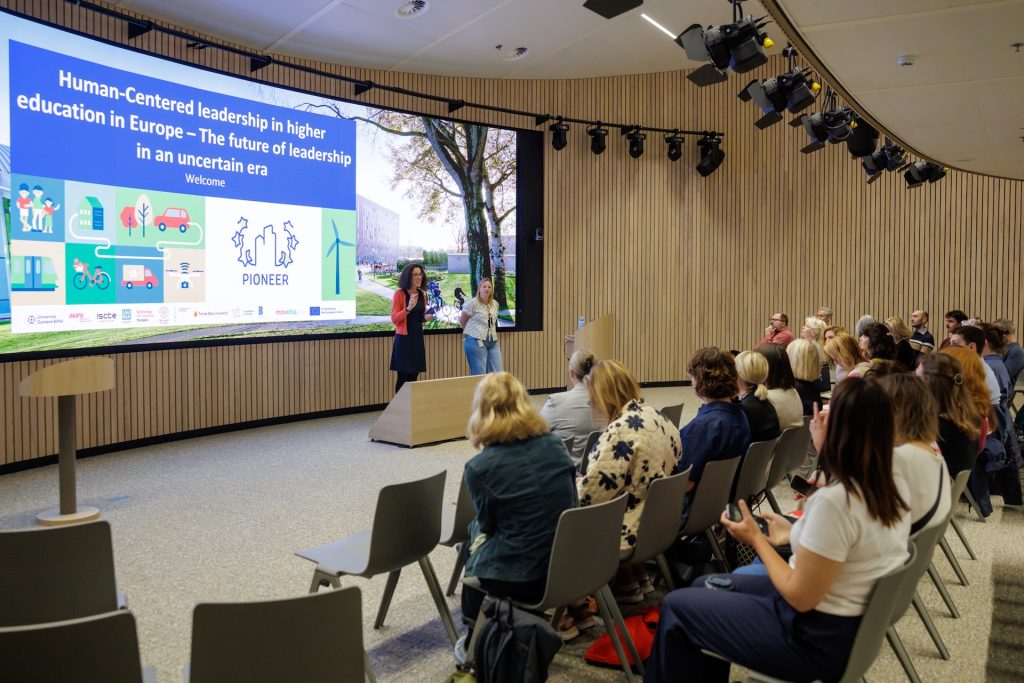
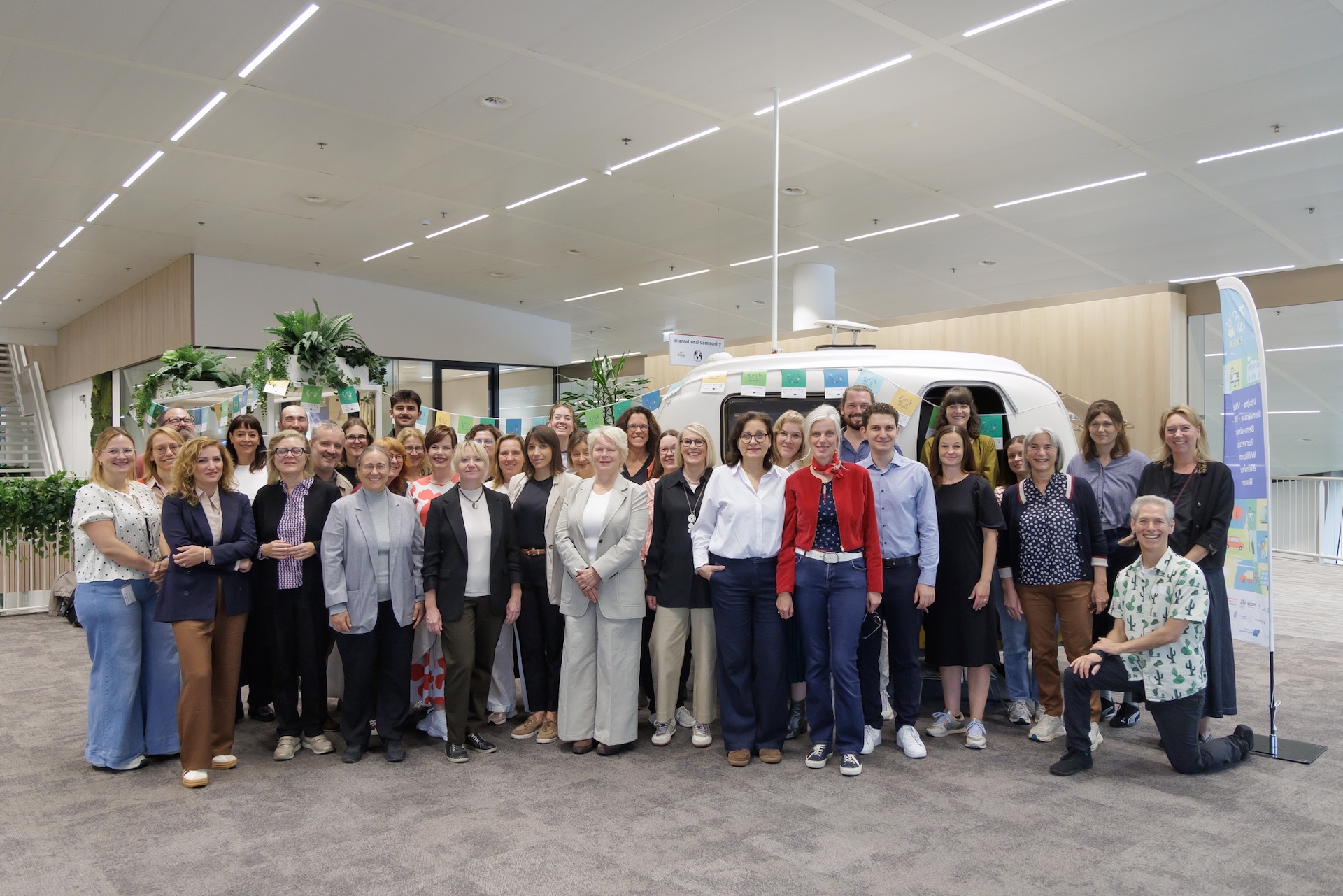
These were the questions explored this week by professionals from our partner institutions during the Human-Centered Leadership 2026 programme in Breda. At a time when organisations are facing societal transitions, growing complexity and competing interests, participants are examining what leadership requires from those who facilitate change and enable collaboration.
Rather than offering a step-by-step guide to effective leadership, the programme challenges participants to critically examine ideas that are often taken for granted. What does power mean within organisations? How can decision-making be shared without losing direction? And what does psychological safety really mean, and for whom?
Through workshops, discussions and reflection sessions, participants explore themes such as shared leadership, inclusion, social safety, agency and the role of leadership in driving societal change. The focus is not only on theory, but on real-life challenges that participants encounter in their own professional contexts.
“There are many opportunities within PIONEER to build strong bridges between people.”
Sylvie Chevrier, Coordinator of the European University Alliance PIONEER, Université Gustave Eiffel
What can we learn from different perspectives?
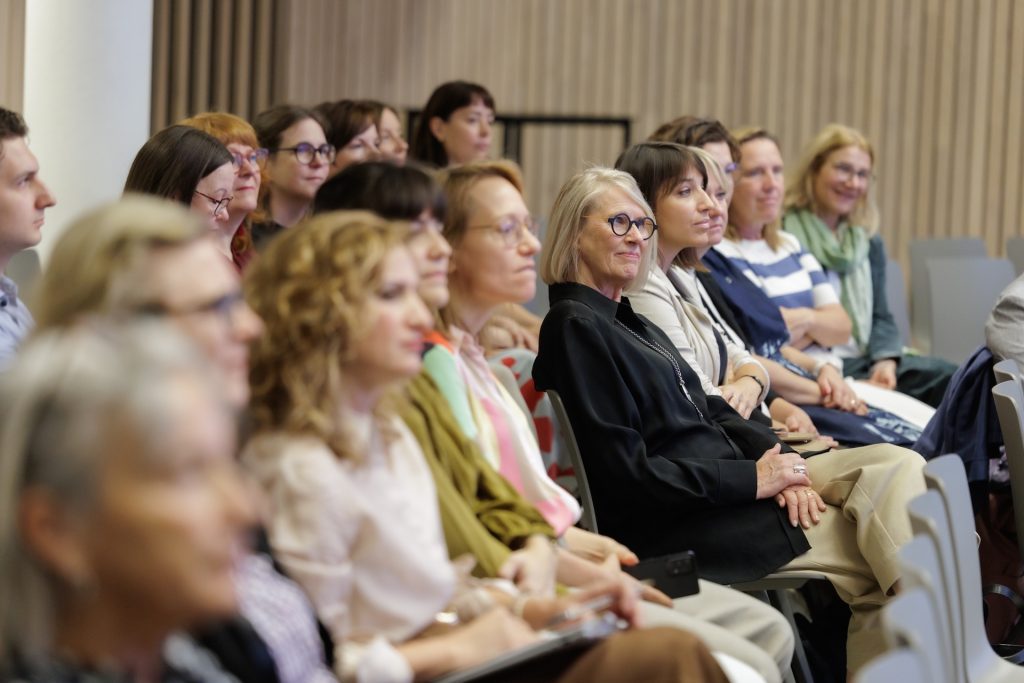
Participants bring experiences from a wide range of educational and organisational environments and are given the opportunity to compare and reflect on these experiences together.
The conversations extend beyond differences between organisations and focus on shared challenges. How can we lead change without losing our connection to people? How do we create space for diverse voices? And how do we build trust in times of uncertainty?
This exchange of perspectives lies at the heart of the programme and enables participants to view their own practice through a fresh lens.
From individual leaders to shared responsibility
A central theme throughout the programme is the question of what kind of leadership is needed to address complex societal challenges. Issues such as sustainability, inclusion and social resilience often require collaboration across disciplines, organisations and communities.
The programme explores how leadership can support such collaboration and the roles that trust, inclusion, shared responsibility and collective action play in the process.
Alongside the academic programme, the week offers ample opportunities for networking and exchange. The discussions during Human-Centered Leadership demonstrate that the development of sustainable cities requires more than technical expertise or policy solutions. It also calls for leadership that fosters collaboration, inclusion and shared responsibility. For this reason, the human dimension of change remains at the core of the programme.
Human-Centered Leadership 2026 is organised by Avans University of Applied Sciences, in collaboration with LAUREA University of Applied Sciences (Finland) and TH Köln (Germany).
Leadership for an iclusive future
Human-Centered Leadership is not only about how we lead change, but also about how we build inclusive and equitable organisations. Within PIONEER, we are working towards an Open Campus where people from diverse backgrounds, perspectives and experiences feel welcome, safe and valued.
By exchanging knowledge and experiences and by raising awareness among leaders of their role in inclusion, collaboration and psychological safety, we strengthen a learning and working environment in which everyone can participate, contribute and grow.