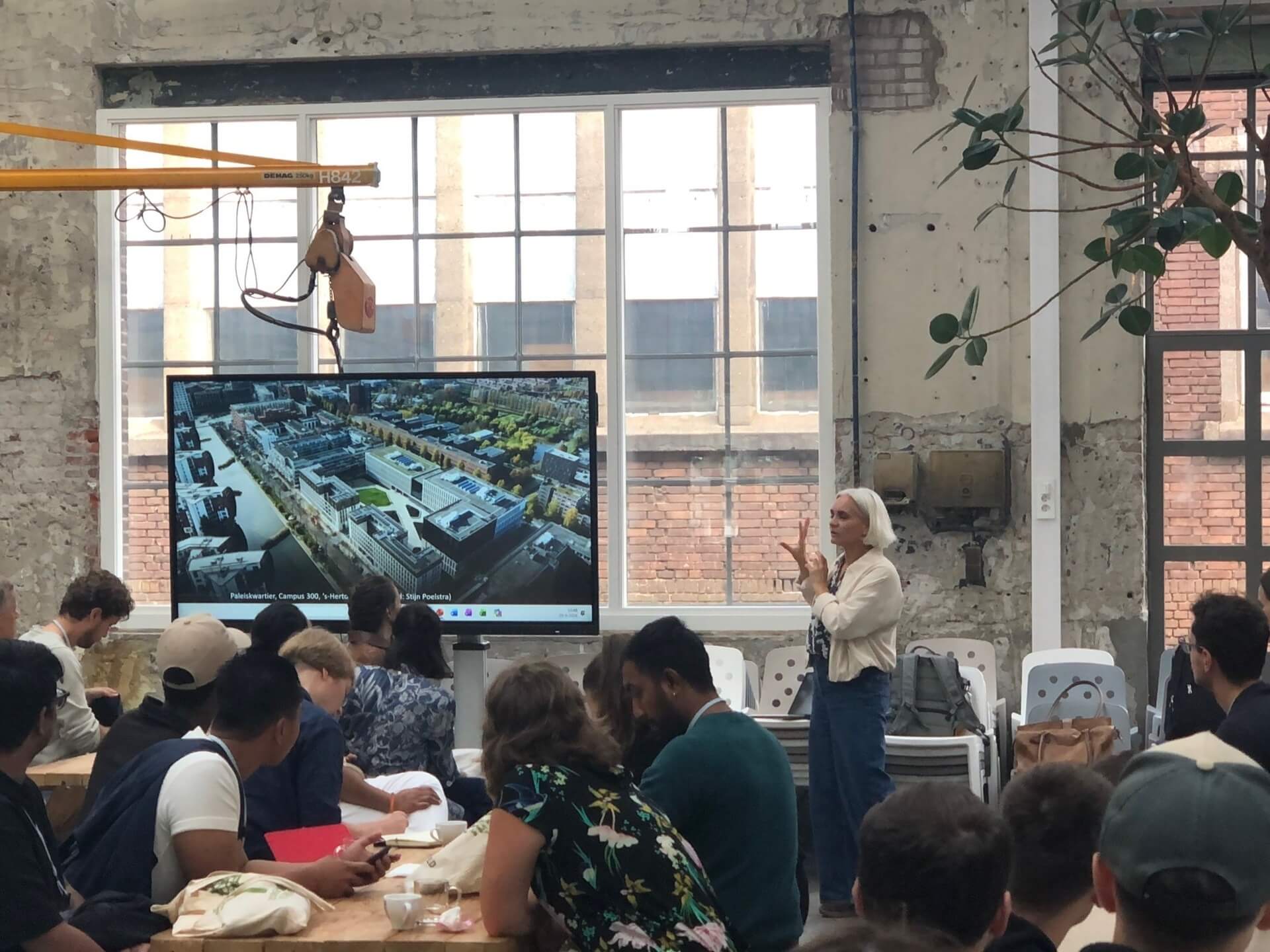
A former industrial waterfront site. Historic factory buildings alongside new housing developments. Cultural initiatives, entrepreneurs, residents and policymakers, all playing a role in the same area redevelopment project.
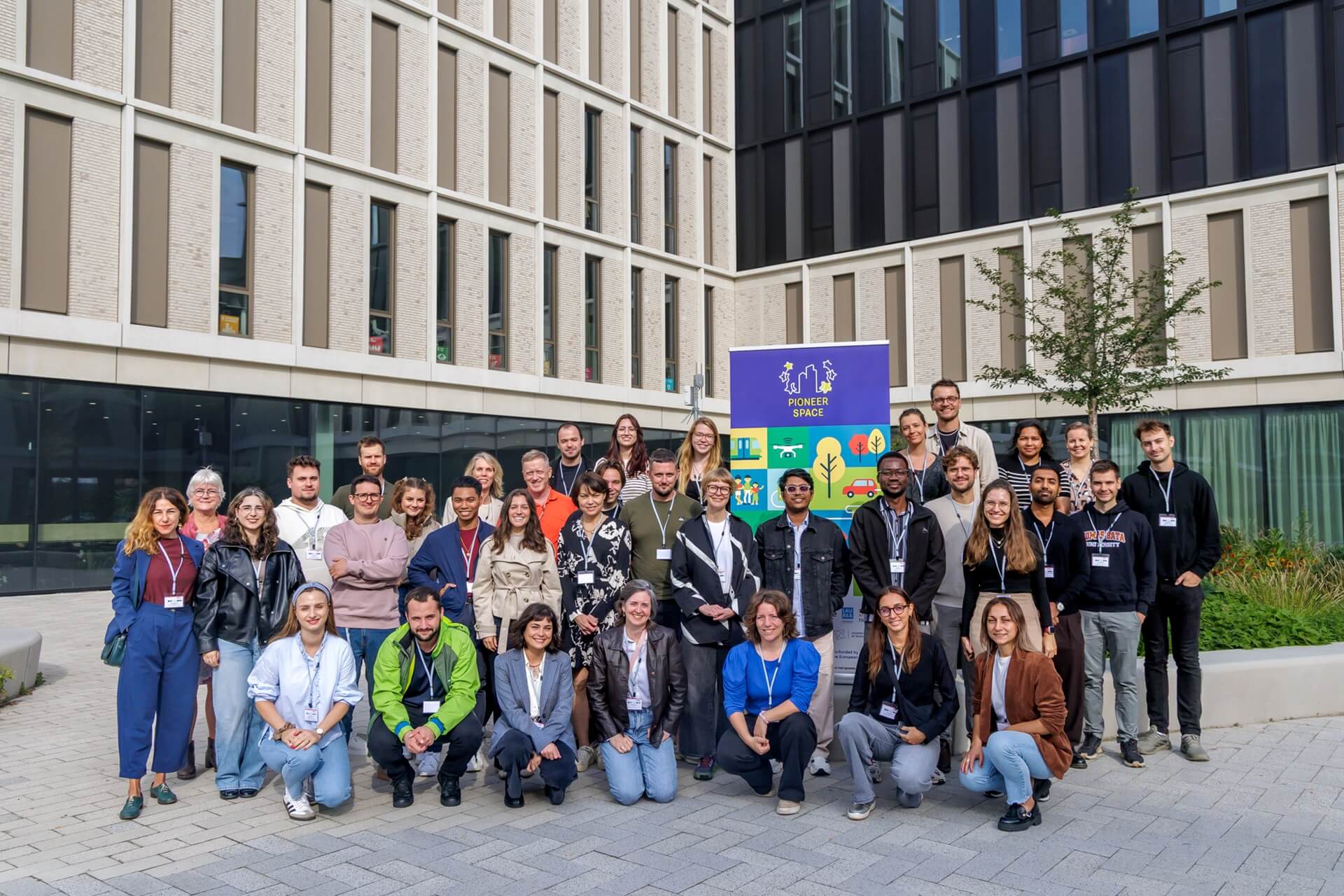
For participants of the PIONEER Early Career Researchers Training School, the Tramkade district in ’s-Hertogenbosch serves this week as the starting point for a broader question: how can research contribute to societal change?
An urban challenge as a living lab
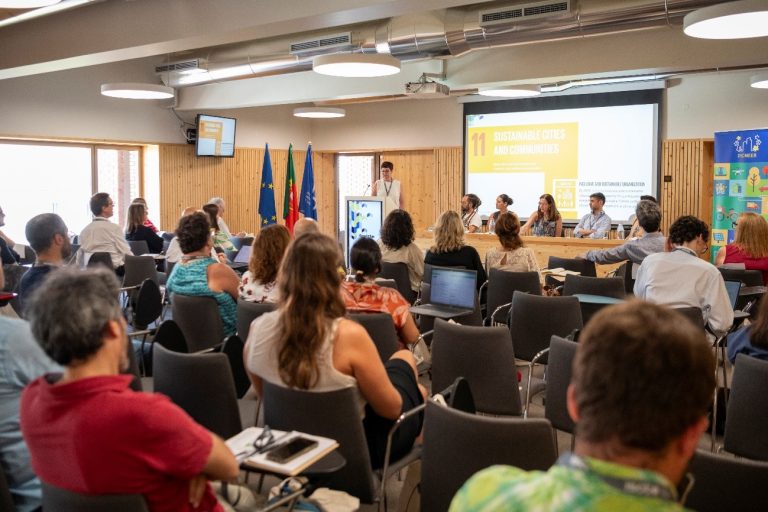
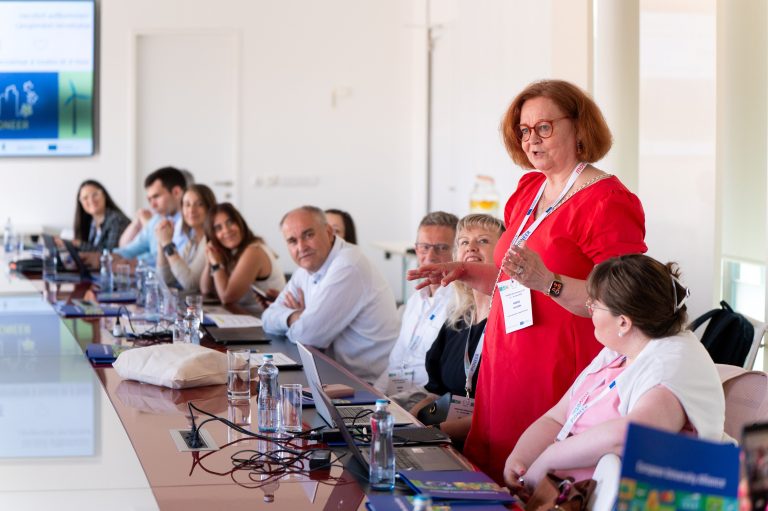
During the training week, PhD candidates and early career researchers from PIONEER partner institutions work together on the future development of the Tramkade and Spoorzone areas. The programme focuses on pressing themes such as social inclusion, participation, sustainability, governance and urban resilience.
The case addresses questions that many European cities are facing. How can the identity of an area be preserved while new housing is being developed? How can space be created for different interests and stakeholders? And how can urban development contribute to strong and inclusive communities?
During a site visit to Tramkade, participants are introduced to the diverse stakeholders and interests involved in the area’s transformation. The location therefore becomes a practice-based learning environment that informs the remainder of the week.
“Within our research group, we view Tramkade as a real-world environment where various challenges related to sustainable cities and communities come together. We explore how social processes, collaboration between different stakeholders, and the physical design of an area influence one another. This connection is particularly important to us: a future-proof and resilient living environment does not emerge from a single solution, but from considering social, organisational and spatial developments in relation to one another. By working with students, researchers and professional partners on concrete issues in Tramkade, we develop knowledge that is relevant not only for ’
s-Hertogenbosch, but also for other urban transformation areas.” Ingrid Janssen, Professor of Sustainable Built Environment, Avans University of Applied Sciences
Research across disciplinary and national boundaries
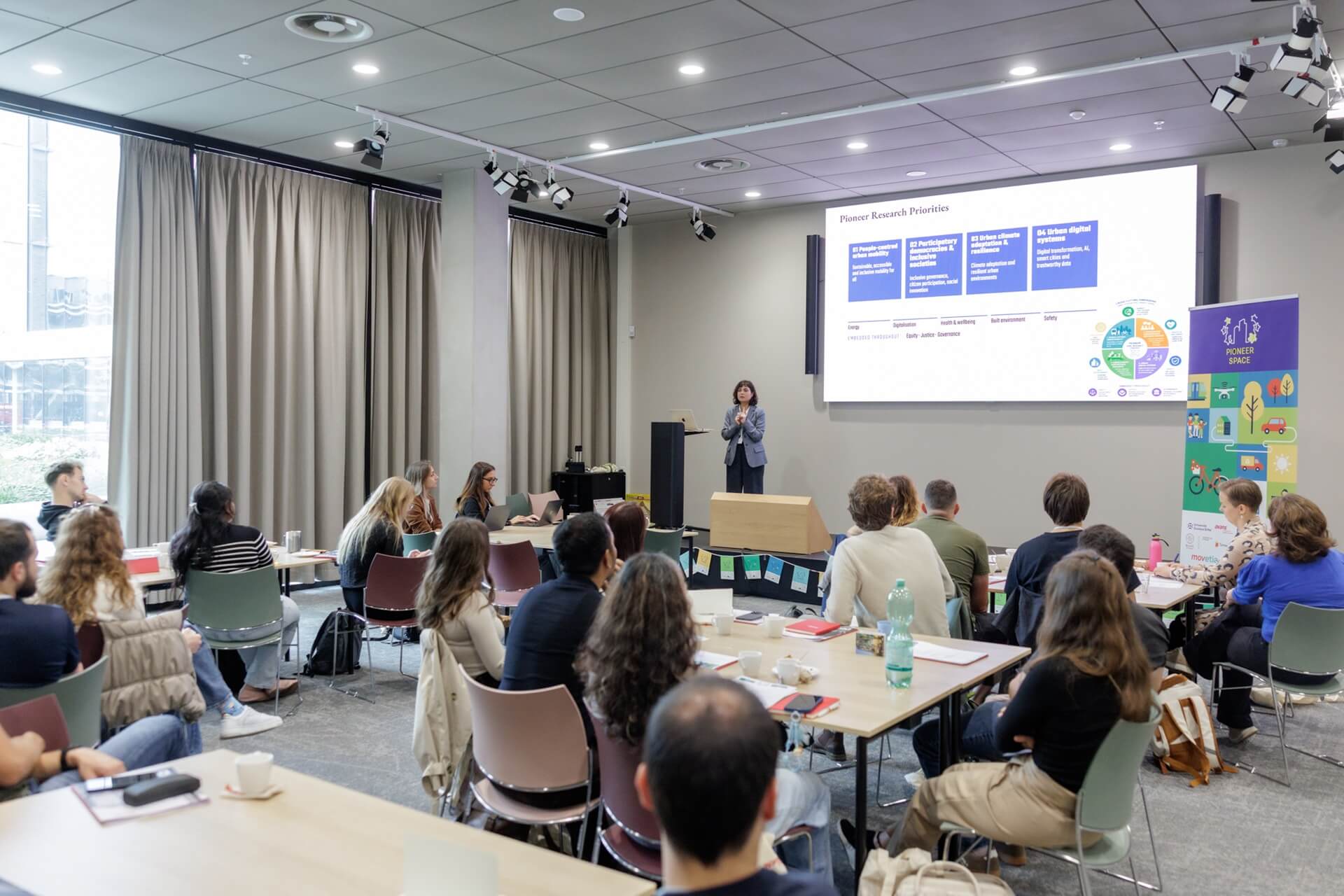
The Training School is about more than the case study in ’s-Hertogenbosch. At its core lies the question of how researchers can collaborate to address complex societal challenges. Participants explore transdisciplinary research, in which knowledge is developed in partnership with stakeholders beyond academia.
The international character of the group plays an important role. Early career researchers from across Europe work together on a concrete urban challenge, experiencing firsthand what it means to collaborate across disciplinary, organisational and national boundaries. In doing so, they explore how research can generate greater societal impact.
The role of AI in research
Alongside urban development and societal impact, participants are also encouraged to reflect on the role of AI and digital systems in research.
The discussions go beyond the possibilities offered by technology and address questions related to data, ethics, participation and fairness.
These sessions invite participants to critically examine both the opportunities and the limitations of AI within transdisciplinary research and societal collaboration.
What kind of researchers do we need for tomorrow’s challenges?
Throughout the week, participants develop proposals and insights that they present to representatives of the Municipality of ’s-Hertogenbosch. As a result, the Training School serves not only as a learning environment for early career researchers, but also as a platform for practising research that is firmly connected to society.
The central question running through the programme therefore extends beyond the redevelopment of Tramkade itself: what skills, forms of collaboration and perspectives do researchers need to contribute to the societal challenges of the future?
This question lies at the heart of the programme. Moreover, the challenges addressed are not unique to ’s-Hertogenbosch or the surrounding region. Similar issues related to inclusion, sustainability, participation and urban development can be found in cities and regions across Europe. This is precisely why the international collaboration fostered within the Training School creates such added value.
Learning together within PIONEER
The Early Career Researchers Training School 2026 is hosted by Avans University of Applied Sciences and organised in collaboration with ISCTE.
The Tramkade case represents more than a local challenge. Questions surrounding inclusion, sustainability, participation and urban development are shared by many European cities and regions. By bringing together early career researchers from across the PIONEER alliance to work on these common challenges, the Training School demonstrates how international collaboration can contribute to meaningful societal impact.